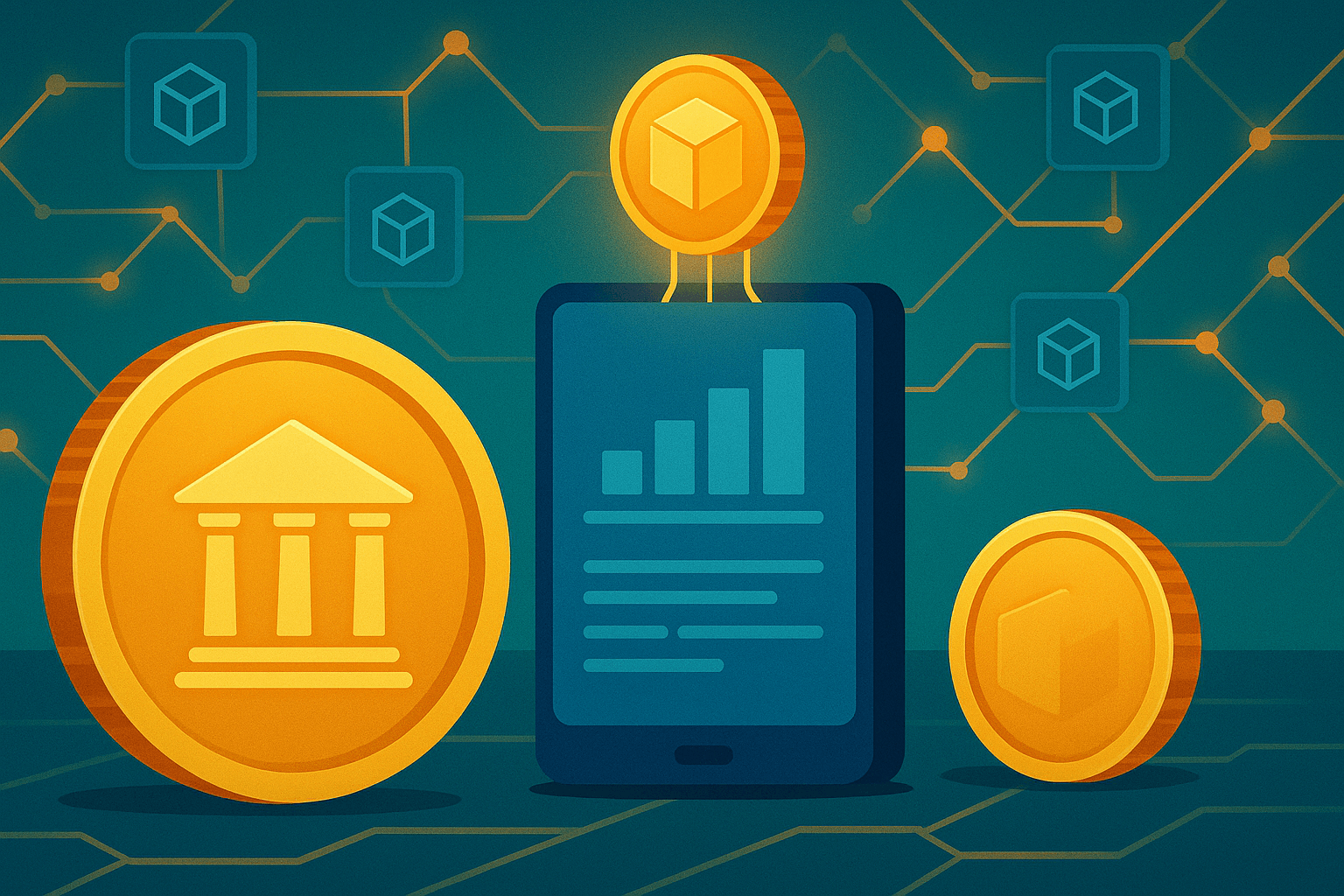
As blockchain technology matures, one trend is capturing the spotlight in 2025: real-world asset tokenization. The idea of linking physical or traditional financial assets to blockchain networks is transforming how value is stored, traded, and managed. From real estate to government bonds, tokenization is bridging the gap between traditional finance and decentralized systems, marking a major step toward mainstream adoption.
What Real-World Asset Tokenization Means
Real-world asset tokenization involves creating digital tokens that represent ownership or fractional ownership of a physical or financial asset. These tokens live on a blockchain, allowing them to be traded and managed securely, transparently, and efficiently. Assets being tokenized today include property, commodities, corporate debt, artwork, and even carbon credits.
The key advantage lies in accessibility. Instead of needing large capital to buy property or high-value securities, investors can own small, fractional shares through tokens. This lowers barriers to entry and opens up markets to a wider range of participants.
Why 2025 Is the Year of Tokenization
The momentum building in 2025 is driven by both technology and regulation. Blockchain infrastructure has become faster, cheaper, and more secure, making it easier to host large-scale asset networks. At the same time, clear frameworks in regions such as the European Union under MiCA and improved US guidance around digital assets are giving institutions confidence to participate.
Financial giants, including asset managers and banks, are experimenting with blockchain to issue tokenized versions of funds and bonds. These initiatives aim to improve settlement times, increase transparency, and reduce costs. Tokenization is no longer a speculative concept; it is being tested in regulated environments with measurable success.
Benefits for Investors and Markets
Tokenization makes assets more liquid and more inclusive. Traditionally illiquid assets, such as fine art or private real estate, can now be divided into tradable portions, giving investors more flexibility. Blockchain’s transparent ledger ensures each transaction can be verified, reducing fraud and administrative costs.
For institutions, tokenization allows 24-hour trading and near-instant settlement, removing many of the inefficiencies of legacy financial systems. The improved efficiency could lead to new forms of portfolio management and more balanced markets that operate around the clock.
Challenges That Still Remain
Despite rapid growth, several hurdles remain. Legal recognition of tokenized ownership varies across jurisdictions, and regulatory bodies are still refining standards. Security and custody of digital tokens representing real assets must also meet institutional-grade expectations.
There is also the issue of interoperability. With multiple blockchains and standards emerging, ensuring smooth cross-platform trading will be key to scaling tokenized markets globally. Projects that prioritize compliance, security, and interoperability are expected to stand out as leaders.
The Road Ahead
In 2025, real-world asset tokenization is moving from experimentation to execution. Startups and established players alike are building platforms where tokenized property, bonds, and even intellectual property can be issued and traded seamlessly. As institutions continue to adopt blockchain for asset management, tokenization is becoming the bridge between decentralized finance and traditional markets.
Final Thoughts
Real-world asset tokenization represents one of the clearest examples of blockchain’s practical value. By combining regulatory clarity, institutional participation, and technological innovation, 2025 is shaping up as the year tokenization enters the mainstream. It promises a financial system that is more inclusive, transparent, and efficient—one where investors can hold both the physical and digital worlds in a single, connected portfolio.