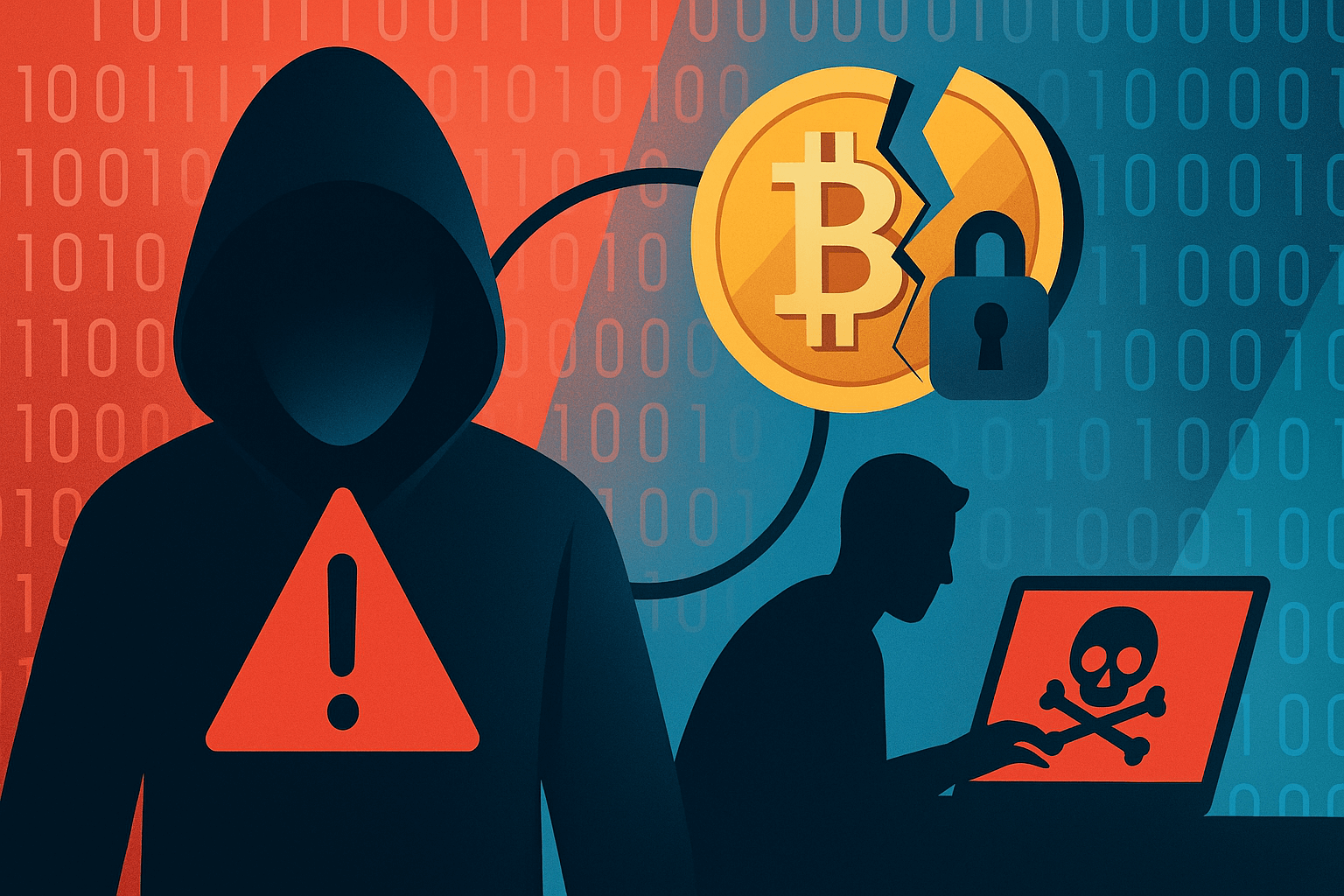
Despite stronger regulation and improved security, 2025 has proven that the crypto world is still vulnerable to attacks and deception. As blockchain adoption expands, so does the sophistication of hackers and scammers. From targeted phishing campaigns to major protocol exploits, this year has already delivered several high-profile cases that remind investors of the importance of caution and vigilance.
The Rise of Social Engineering Attacks
In 2025, social engineering has overtaken code vulnerabilities as one of the leading causes of crypto losses. Hackers are no longer just breaking into wallets—they are tricking users into giving access voluntarily. Deepfake videos, fake customer service agents, and cloned project websites have all been used to manipulate investors.
One of the largest incidents occurred when a group posing as support staff for a major exchange convinced users to transfer funds to “verification” wallets. The scheme spread rapidly through social media, leading to millions in stolen assets before being shut down.
DeFi Protocol Exploits Continue
Even as decentralized finance platforms adopt stricter auditing standards, vulnerabilities remain. In early 2025, a major lending protocol suffered a flash loan attack that drained over 40 million dollars in stablecoins. The attacker exploited a weakness in its collateral pricing mechanism, bypassing risk controls and collapsing liquidity pools.
A similar exploit targeted a cross-chain bridge service, leading to another multimillion-dollar loss. These events highlighted that even audited smart contracts can carry hidden risks, especially when multiple blockchains interact.
Fake Airdrops and Rug Pulls Make a Comeback
While investors have grown more cautious, scammers continue to find creative ways to exploit greed and FOMO. A wave of fake airdrops linked to AI-themed tokens tricked users into connecting their wallets to malicious sites. Once connected, the sites drained all available funds.
Rug pulls also resurfaced, often disguised as promising DeFi startups with sophisticated websites and active online communities. In several cases, project founders disappeared overnight after raising large sums in presales. The losses reminded investors that glossy marketing does not equal legitimacy.
Phishing Through AI-Generated Content
AI tools have made phishing scams harder to detect. Emails and messages now look more authentic than ever, complete with correct branding, grammar, and tone. Some scammers even use AI to analyze victims’ communication styles before targeting them.
The best defense remains caution. Users should double-check URLs, avoid clicking on unsolicited links, and verify official announcements directly through trusted platforms.
Centralized Exchange Breaches
Although most major exchanges have improved their security systems, a few incidents in 2025 showed that no platform is completely safe. In one case, attackers gained access through a compromised third-party analytics tool. The exchange acted quickly to freeze withdrawals and reimburse users, but the event renewed discussions about self-custody and cold wallets as safer alternatives.
Lessons from 2025’s Incidents
This year’s hacks and scams reinforce that crypto security is a shared responsibility. Platforms must continue to improve transparency and protection mechanisms, while users need to remain skeptical and informed. Awareness, education, and safe storage practices can prevent most losses.
Final Thoughts
The crypto industry in 2025 is more advanced and more regulated than ever before, yet human error and social manipulation remain its biggest weaknesses. As technology improves, so do the tactics of those looking to exploit it. Staying safe requires constant vigilance, critical thinking, and the understanding that in crypto, trust should always be earned, not assumed.