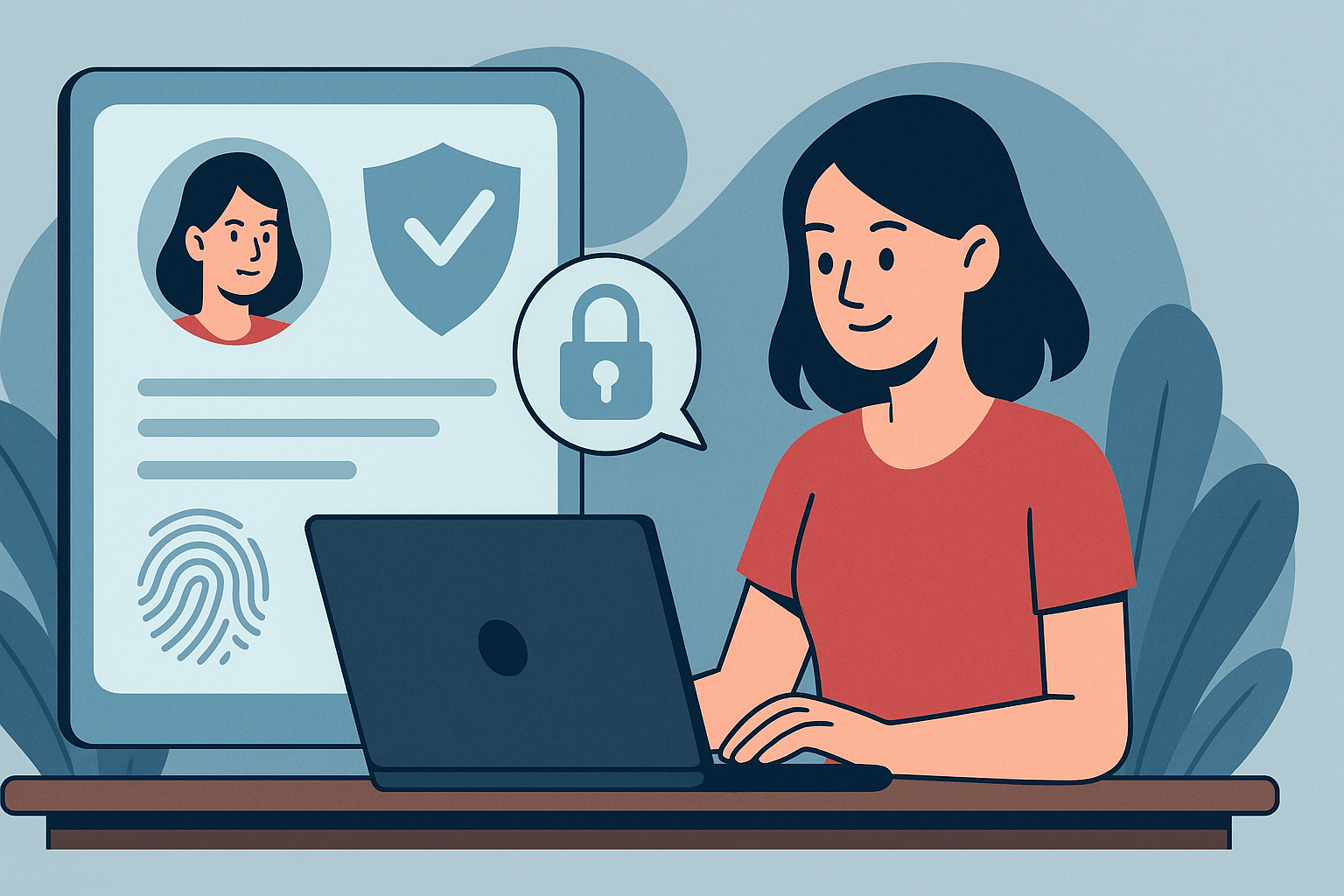
In 2025, online identity is undergoing a quiet revolution. For years, trust on the internet has relied on centralized platforms, login credentials, and data systems that users do not control. Web3 technology is changing that model by putting identity ownership back into the hands of individuals. Through decentralized identifiers, verifiable credentials, and blockchain-based profiles, Web3 identity is creating a new foundation for trust that is transparent, portable, and user-owned.
The Problem with Traditional Identity Systems
Traditional digital identity depends on centralized intermediaries. Social media platforms, banks, and government databases each manage user data independently, creating a fragmented system where users have little control. Every login or verification requires trusting another company to protect personal information, and repeated data breaches have shown how fragile that trust can be.
This model also limits privacy and portability. When an account is suspended or deleted, users lose access to both their data and their digital reputation. In a world where much of life takes place online, this lack of control over personal identity is becoming increasingly problematic.
The Web3 Solution: Self-Sovereign Identity
Web3 introduces the concept of self-sovereign identity (SSI), which allows individuals to own and manage their digital identities directly. Instead of storing information on corporate servers, users hold their credentials securely within cryptographic wallets.
Each identity is tied to decentralized identifiers (DIDs) that act like digital ID cards verified on blockchain networks. These identifiers enable people to prove who they are without revealing unnecessary details. For example, a person can confirm they are over 18 or a verified member of an organization without sharing their full name or address.
This structure eliminates the need for middlemen while still ensuring authenticity. It also stops third parties from collecting or monetizing personal data without consent.
Building Trust Through Verifiable Credentials
Another key element of Web3 identity is the use of verifiable credentials (VCs). These are digital certificates issued by trusted entities such as schools, employers, or government agencies and stored securely by the user.
When verification is needed—such as proving education, employment, or compliance status—the individual can share only the relevant credential. The recipient can check its validity using blockchain verification, which confirms authenticity without revealing private information.
This model replaces institutional trust with cryptographic proof. No single company holds all the data, and every verification leaves an auditable, tamper-resistant record.
The Growth of Reputation-Based Systems
Web3 identity also enables new types of digital reputation. Instead of depending on likes, followers, or centralized ranking systems, users can build verifiable on-chain reputations based on real contributions and achievements.
A developer’s open-source projects, a designer’s NFT creations, or a trader’s activity within decentralized finance can all become part of an individual’s verified identity. These reputation layers travel across platforms, reducing impersonation and fraud.
Such systems are also being used in DAOs and decentralized finance protocols. Participants with proven reputations can gain access to better opportunities and governance rights without traditional credit checks or centralized evaluation.
Privacy by Design
Privacy sits at the core of Web3 identity. Unlike conventional login systems that track every action, decentralized identity solutions use selective disclosure. Users decide what to share and when to share it, maintaining full control of their data.
This shift marks a departure from data-driven advertising models that rely on constant surveillance. With Web3 identity, online platforms can operate transparently without sacrificing personal privacy.
Challenges to Overcome
Despite its promise, Web3 identity still faces hurdles before it becomes mainstream. Key management remains a challenge for everyday users, and interoperability between identity systems needs improvement. Simplifying wallet integration and recovery mechanisms will be crucial for large-scale adoption.
Regulatory clarity is also evolving. Governments must decide how decentralized identity fits within national identification systems, KYC requirements, and privacy laws. Some regions are experimenting with blockchain-based digital IDs, while others are observing cautiously.
A New Model for Digital Trust
The rise of Web3 identity is changing how trust is built online. In traditional systems, trust flows from large institutions down to users. In Web3, trust is established through verifiable proof that can be independently confirmed. This bottom-up structure empowers individuals and reduces reliance on centralized authorities.
As decentralized identity becomes more widely adopted, it could redefine how people interact across the internet. From professional networking to online education and digital commerce, verified identities will make interactions more authentic and secure.
Final Thoughts
Web3 identity is reshaping online trust by giving individuals control over their digital presence. It replaces passwords and platforms with cryptographic proof and user sovereignty.
Although challenges remain, the vision is clear: a digital world where trust is built through verification, not control, and where privacy and transparency coexist. Web3 identity represents a future in which authenticity is owned, not granted.