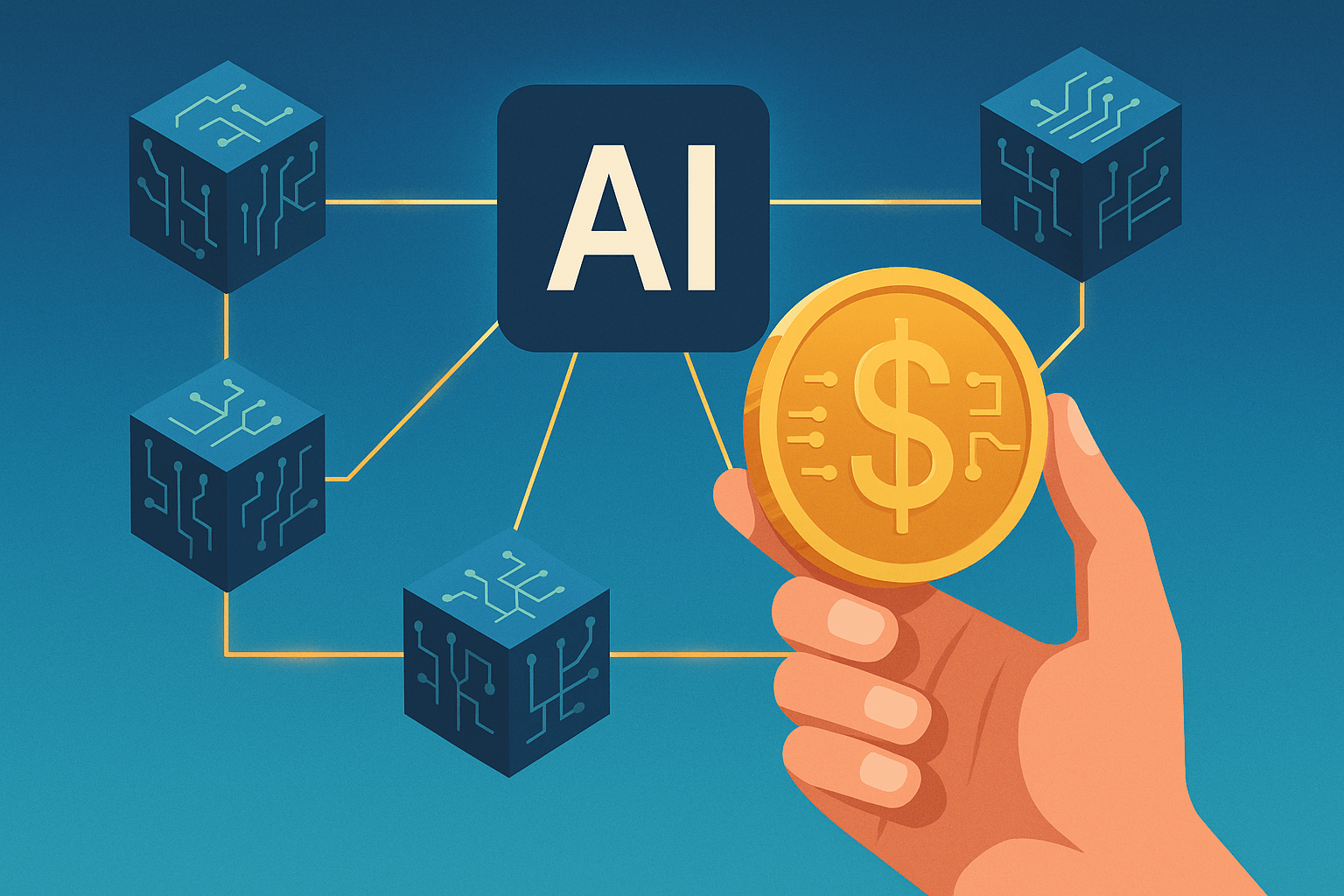
In 2025, the combination of artificial intelligence and blockchain is creating one of the most transformative trends in digital finance. AI generated tokens, designed and managed by algorithms, are beginning to influence how new blockchain projects are launched and maintained. As both technologies advance, many are asking whether AI could soon become the dominant force behind token creation and ecosystem design.
The Rise of AI in Token Design
In the early days of crypto, human developers decided how tokens were distributed, priced, and used. Today, AI models are taking over parts of that process. These systems analyze market behavior, liquidity trends, and user engagement to automatically optimize token supply and distribution.
Instead of relying on fixed formulas, AI can simulate market conditions, predict community reactions, and adjust variables in real time. It can also identify inefficiencies in staking rewards, governance systems, or transaction fees, making token economies more stable and adaptive.
Some AI systems even generate tokens from scratch, tailoring their parameters to fit specific blockchain projects. By analyzing thousands of datasets across exchanges and social platforms, these systems create tokens that align with real demand and avoid common economic pitfalls.
Why AI Generated Tokens Are Gaining Attention
AI generated tokens are becoming popular because they promise efficiency, adaptability, and intelligence that traditional models lack.
1. Streamlined Creation
Developers can use AI platforms to design complex token systems in minutes. The AI handles everything from inflation control to distribution planning, reducing the need for extensive manual work.
2. Smarter Tokenomics
AI continuously learns from market behavior and community feedback. It can adjust supply, modify staking rewards, or rebalance liquidity pools automatically. This makes tokens less vulnerable to volatility and speculation.
3. Data Driven Governance
Some projects use AI to process blockchain analytics and recommend governance changes. This allows decentralized organizations to make informed decisions without relying solely on human intuition.
4. Accessibility for Small Teams
AI tools lower the barrier to entry for startups by providing pre-built economic models. Small teams can now launch tokens with professional-grade structures that adapt over time.
Real World Applications Emerging in 2025
AI generated tokens are already being integrated into several sectors of the blockchain ecosystem.
- DeFi Protocols: AI is being used to optimize yield generation and liquidity management across decentralized platforms.
- Web3 Gaming: Games are creating AI managed in-game currencies that evolve based on player engagement and asset circulation.
- Data Marketplaces: Machine learning models tokenize datasets and distribute rewards automatically to data contributors.
- DAOs and Governance: AI systems assist decentralized organizations by forecasting treasury needs and adjusting incentives dynamically.
Benefits of AI Driven Token Systems
The greatest strength of AI generated tokens lies in their ability to self correct. Traditional tokens are bound by static rules that cannot respond to market shifts. AI introduces dynamic behavior, allowing token economies to evolve naturally with changing conditions.
AI can also detect unusual activity and mitigate risks faster than humans. For example, it can identify suspicious wallet movements or liquidity attacks and trigger automated responses before losses spread. This adds a layer of resilience to blockchain projects that operate without centralized oversight.
Challenges and Ethical Concerns
Despite their promise, AI generated tokens introduce new challenges that cannot be ignored.
1. Accountability and Oversight
When an algorithm creates or modifies token mechanics, it raises the question of responsibility. If the AI makes a damaging decision, who is to blame—the developer, the community, or the algorithm itself?
2. Lack of Transparency
Many AI systems operate as black boxes, meaning their internal logic is difficult to understand. In an industry that values transparency, this could lead to mistrust among users and regulators.
3. Regulatory Ambiguity
Laws have not yet caught up to AI driven finance. Policymakers are still deciding how to classify tokens that evolve automatically or adjust economic parameters without direct human control.
4. Risk of Overproduction
With AI tools making token creation easier, there is a risk of flooding the market with poorly designed or redundant tokens. Without careful oversight, this could lead to oversaturation and investor fatigue.
The Road Ahead
AI generated tokens are not replacing human developers but enhancing their capabilities. The most successful future projects will likely use a hybrid model where humans set the goals and AI manages ongoing adjustments. This partnership can lead to more efficient, transparent, and sustainable ecosystems.
The growing interest in AI blockchain integration also highlights the need for open algorithms and ethical standards. Projects that adopt transparent AI frameworks will earn greater trust from communities and regulators.
Final Thoughts
AI generated tokens represent the next evolution of blockchain innovation. They bring adaptability, precision, and automation to an industry known for rapid change. If implemented responsibly, they could lead to smarter economies that adjust themselves in real time and remain stable during market turbulence.
The deciding factor will be trust. Users and developers must be confident that AI serves the ecosystem’s best interests rather than creating complexity for its own sake. With careful regulation, transparency, and collaboration, AI generated tokens could become the foundation of the next wave of blockchain projects.