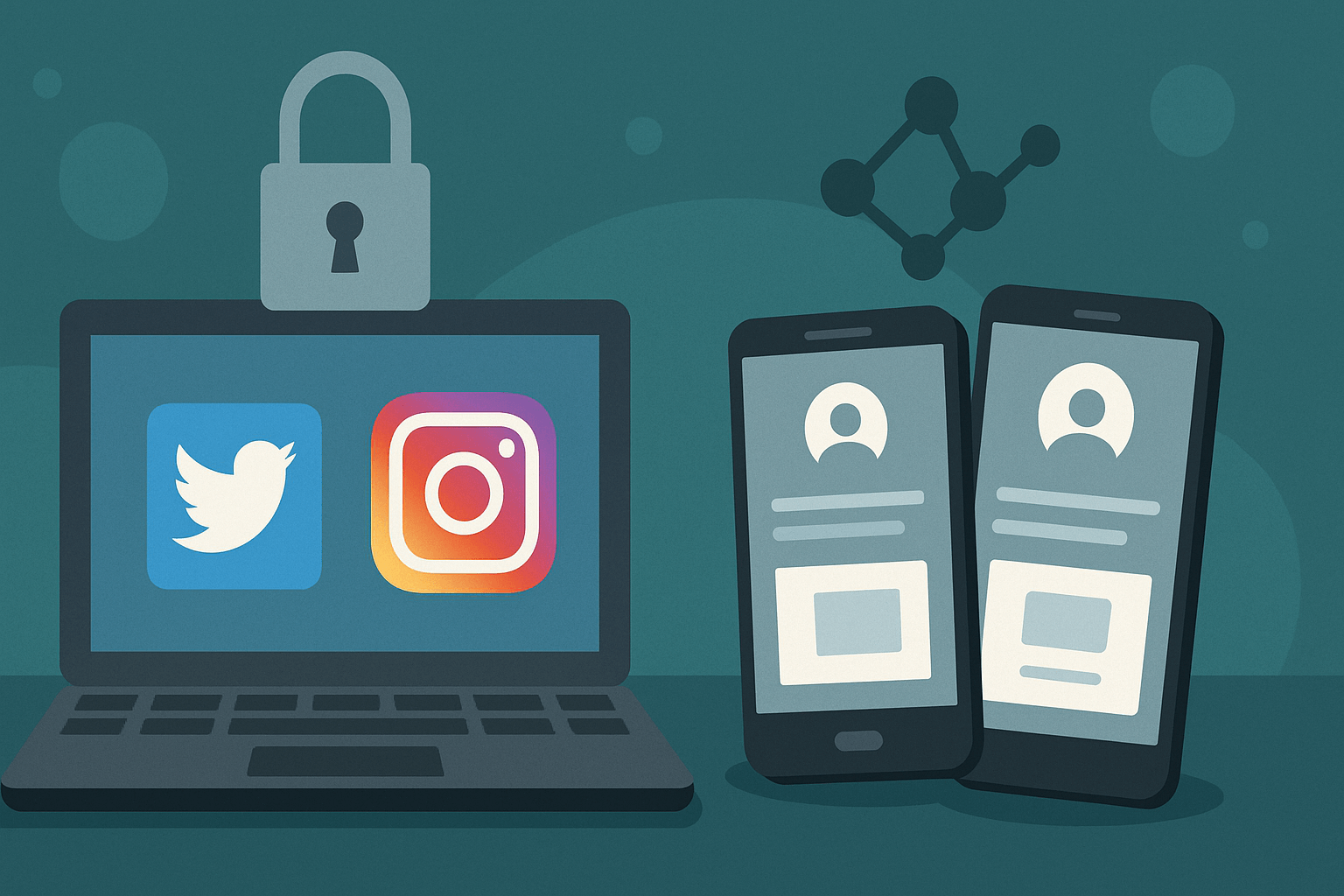
In 2025, decentralized social media has become one of the most discussed frontiers of the internet. As major platforms like X and Instagram continue to face criticism for censorship, data harvesting, and algorithmic control, many users are looking to Web3 alternatives that promise freedom, transparency, and user ownership. But can these decentralized platforms truly replace the social giants that dominate today’s digital world?
What Makes Web3 Social Media Different
Decentralized social networks are built on blockchain technology. Instead of being owned and controlled by a single company, they operate through distributed systems where data is stored across many nodes. This structure gives users ownership of their content and identities, reducing reliance on centralized corporations.
In most Web3 platforms, user profiles, posts, and interactions are connected to crypto wallets. This means users can move their identity between apps, monetize their work directly, and retain control over personal data. Blockchain transparency also makes moderation and algorithmic changes more visible, fostering trust between platforms and their communities.
Leading Platforms in 2025
A new wave of decentralized social platforms has taken shape. Some focus on creators and communities, while others emphasize data freedom or interoperability.
Lens Protocol has emerged as one of the most influential ecosystems, allowing users to build portable social profiles that can plug into multiple apps. Content creators can earn revenue through NFTs or tokenized subscriptions, giving them a level of independence not found on traditional platforms.
Farcaster focuses on a hybrid approach, blending decentralization with user-friendly design. It provides a familiar social experience but lets users own their data and identity through blockchain verification.
Meanwhile, Mastodon and Bluesky continue to grow among users seeking open-source alternatives. Though not fully decentralized in the blockchain sense, they represent a cultural shift toward open protocols and away from corporate control.
The Benefits for Users and Creators
Decentralized social media empowers users in several ways. Ownership of digital identity ensures that creators are not at risk of losing accounts or content because of algorithm changes or platform decisions. Monetization is also more direct. Users can receive tips, sell digital assets, or earn through engagement tokens without relying on ads or sponsorships.
Privacy is another key advantage. Web3 social networks let users decide what data to share and with whom. This contrasts sharply with the surveillance-based models of Web2, where user data fuels targeted advertising.
The Challenges Still Ahead
Despite the promise, decentralized social media faces real obstacles. User experience remains a challenge. Many platforms require crypto wallets, gas fees, or technical knowledge that can discourage newcomers. Scalability is also a concern. Handling millions of users and posts securely while keeping costs low is still an evolving process.
Another issue is moderation. While decentralization supports free expression, it also makes content moderation more complex. Without a central authority, harmful or false information can spread quickly. Communities are experimenting with collective moderation models, but these systems are still being tested.
Can Web3 Really Replace X and Instagram?
In 2025, Web3 social media is not yet a complete replacement for traditional platforms, but it is rapidly growing into a serious alternative. Many creators now maintain both centralized and decentralized presences. The more users value privacy, data control, and independence, the more decentralized networks will expand.
Mainstream adoption will likely come when platforms simplify onboarding and remove technical barriers. As infrastructure improves and mobile access expands, the user experience will begin to match the convenience of current social networks.
Final Thoughts
Decentralized social media represents a powerful shift in how people connect online. Instead of relying on algorithms controlled by corporations, users are reclaiming their voices, data, and creative ownership. Web3 may not yet replace X or Instagram entirely, but it is redefining what social networking can be. The foundations being built today could shape a future internet that values transparency, user control, and freedom above all else.